There is a phrase you often hear after a week in the mountains: “I can’t explain it, I feel different.”
It isn’t just suggestion. And it isn’t only the result of relaxing or being away from routine. It’s physiology, and research has confirmed it for decades, even if it is rarely discussed as clearly as it deserves.
The AMAS study – Austrian Moderate Altitude Study – carried out by the University of Innsbruck analysed the effects of a mountain stay at altitudes between 1,400 and 2,000 metres on more than 200 physiological parameters. The results show measurable benefits for blood count, tissue oxygenation, blood sugar and cholesterol, blood pressure, heart rate and mental wellbeing.
In short: you don’t need intense exercise to gain a real physical advantage. The altitude itself does the work.
Staying at altitude stimulates the production of red blood cells and improves the transport of oxygen in the blood to tissues, muscles and brain, raising your tolerance to fatigue. It’s the same mechanism professional athletes use in altitude training – only in a less extreme and far more enjoyable version.
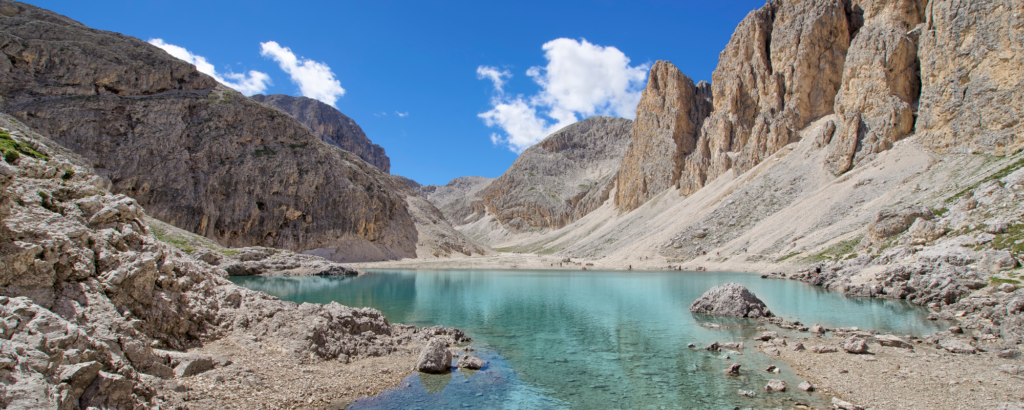
Moena lies at 1,184 metres, with its most popular trails and destinations between 1,500 and 2,500 metres. An ideal altitude range to enjoy these effects without acclimatisation risks.
It reduces exposure to pollutants. Breathing mountain air means breathing air free of irritants, with a positive impact on asthma, allergies and lung health. For city dwellers, even just one week without smog has noticeable effects from the very first days.
It increases ionisation. In forests and near waterfalls the air is rich in negative ions, which promote psychophysical wellbeing, relaxation and better respiratory function. The paths along the Avisio or the forest trails towards Malga Peniola are naturally rich in them.
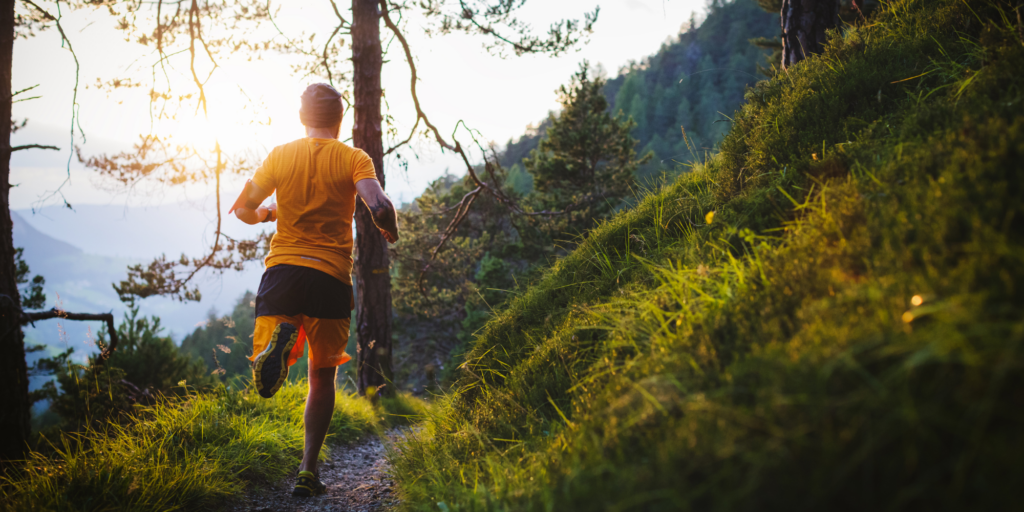
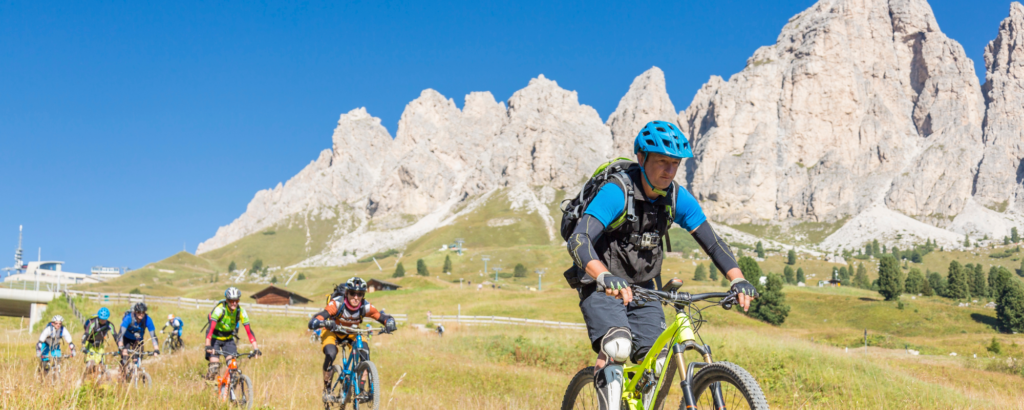
It stimulates the cardiovascular system. Thinner air makes the heart pump harder, stimulating red blood cell production, improving circulation and lowering resting blood pressure. A walk at altitude does more for your cardiovascular system than a walk on the flat at the same pace.
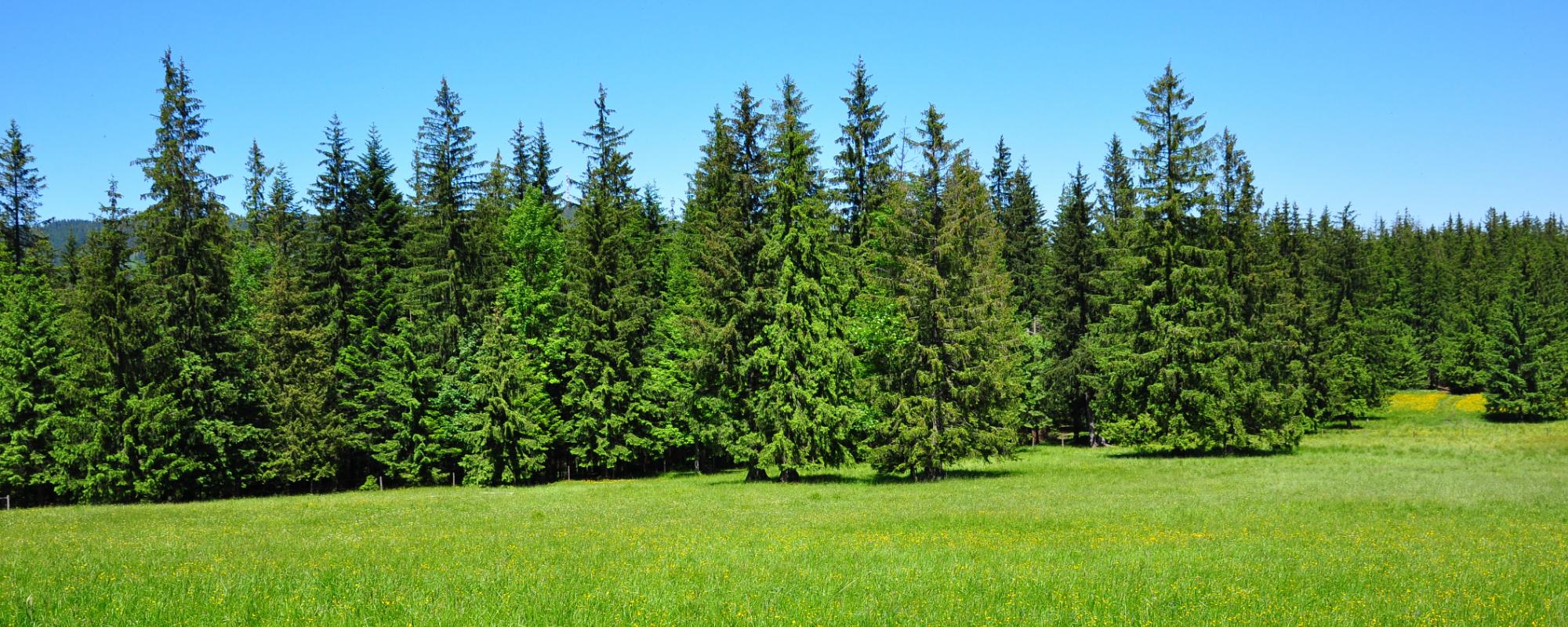
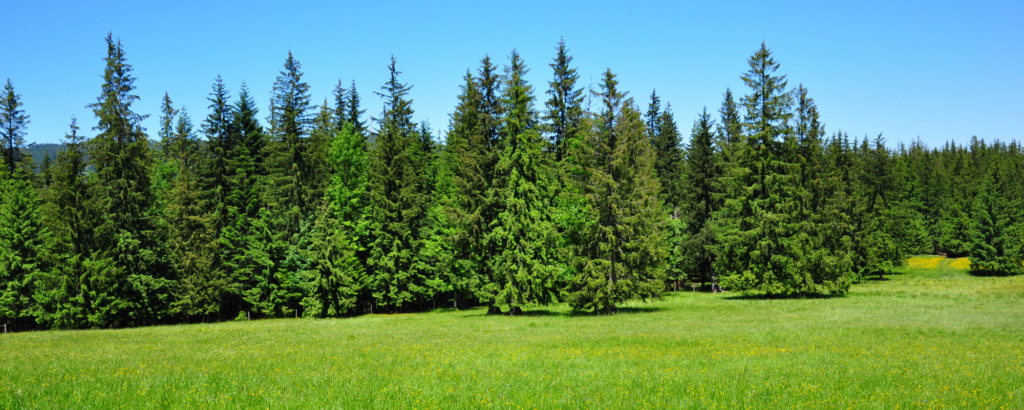
In recent years research has given a name to something mountain people have known for centuries: being among trees is good for you. Scientific evidence supports forest therapy as a complementary practice for promoting psychophysical wellbeing, through the preventive and therapeutic effects of forests on health.
The main mechanism is a reduction in cortisol, the stress hormone. Studies show that spending at least 20 minutes a day in green spaces can lower cortisol levels and improve emotional regulation. Twenty minutes. Not a week of meditation, not a course of treatments. A walk in the woods.
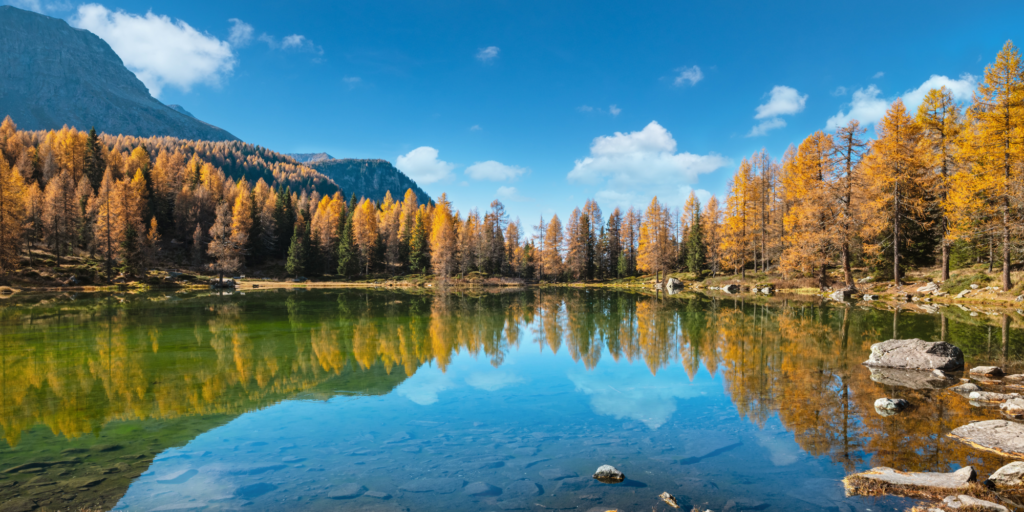
Around Moena, the spruce and larch forests covering the slopes of Val di Fassa offer exactly this environment, starting with the trails you can reach on foot from the hotel.
People returning from a week in the mountains often mention sleep as one of the most surprising things. You fall asleep earlier, sleep more deeply and wake up rested.
The mechanisms are several and add up: pollution-free air, cooler night-time temperatures, no urban noise, more daily physical activity, circadian rhythms respected thanks to natural light. The combination has effects on sleep that medication and various rituals rarely manage to replicate.
In the rooms of Hotel Cavalletto – with a balcony, silence and fresh Val di Fassa air – this mechanism works from the very first night.
The starting point of this article is that mountain wellbeing doesn’t begin in the spa. It begins outside: in the air, in the woods, in movement.
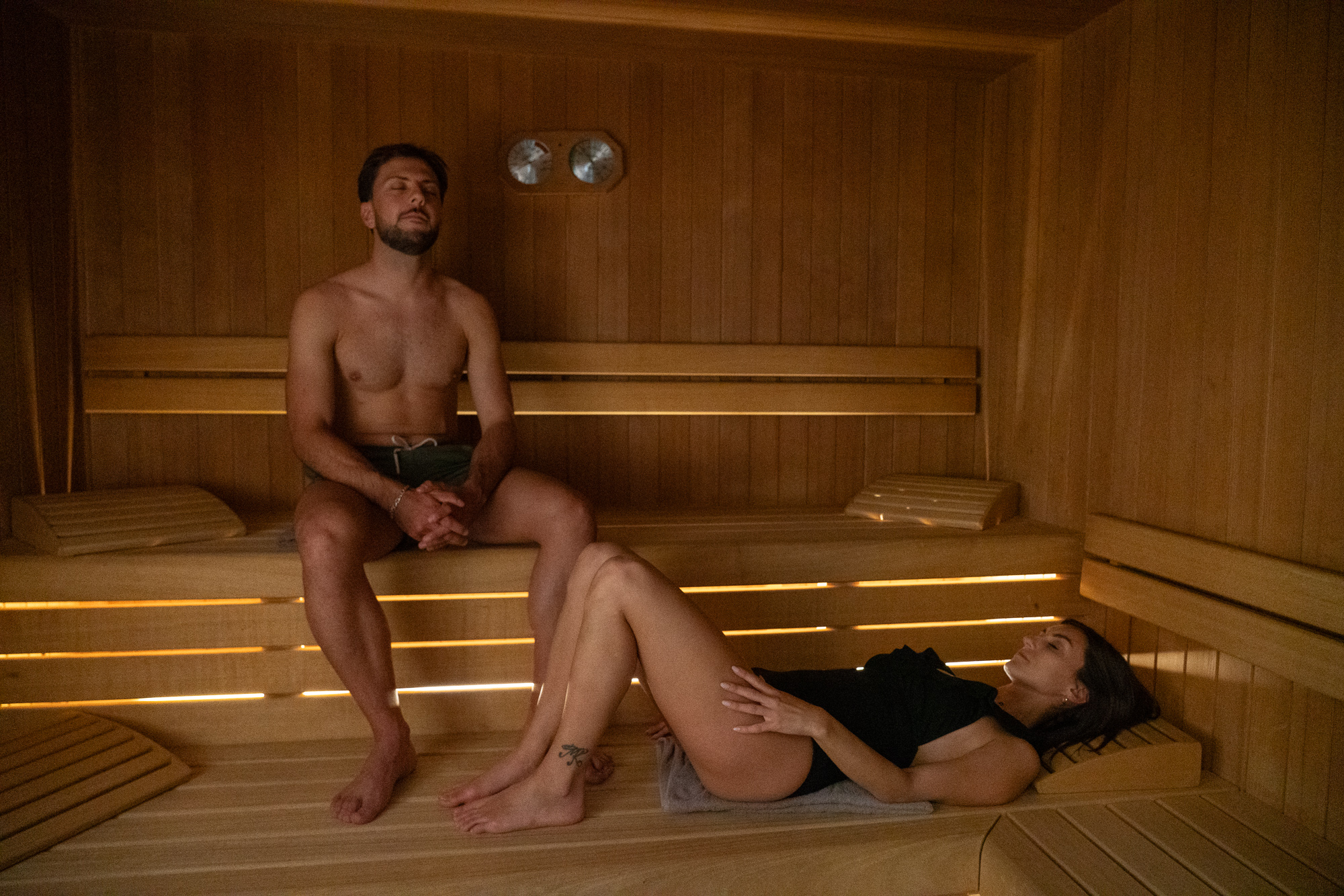
The spa comes afterwards, and that is where it takes on its full meaning. A Finnish sauna, a Turkish bath or a whirlpool have a different effect on a body that has walked, breathed fresh air and burned off adrenaline during the day. The Cavalletto wellness centre, with jacuzzi, Finnish sauna, aromatherapy Turkish bath, salt grotto, Scottish shower, ice fountain and relaxation area, is included in your stay.
The honest answer: almost everyone. But for some people the benefit is particularly clear:
People who spend long hours in front of screens. Prolonged exposure to artificial light and a sedentary desk life create a physiological debt – eye strain, muscle tension, disrupted circadian rhythms – that the mountains help to clear naturally and gradually.
People with sleep problems. The mountain environment is among the most effective for re-establishing regular sleep patterns, without medication.
People recovering from a stressful period. Contact with nature brings an immediate improvement in psychophysical wellbeing – and “immediate” is meant literally: the effects on stress reduction can be measured within the first few hours.
Couples. Not because Moena is romantic – it is, but that’s a topic covered elsewhere. But because the quality of shared time changes radically when both of you feel physically better and mentally more present.
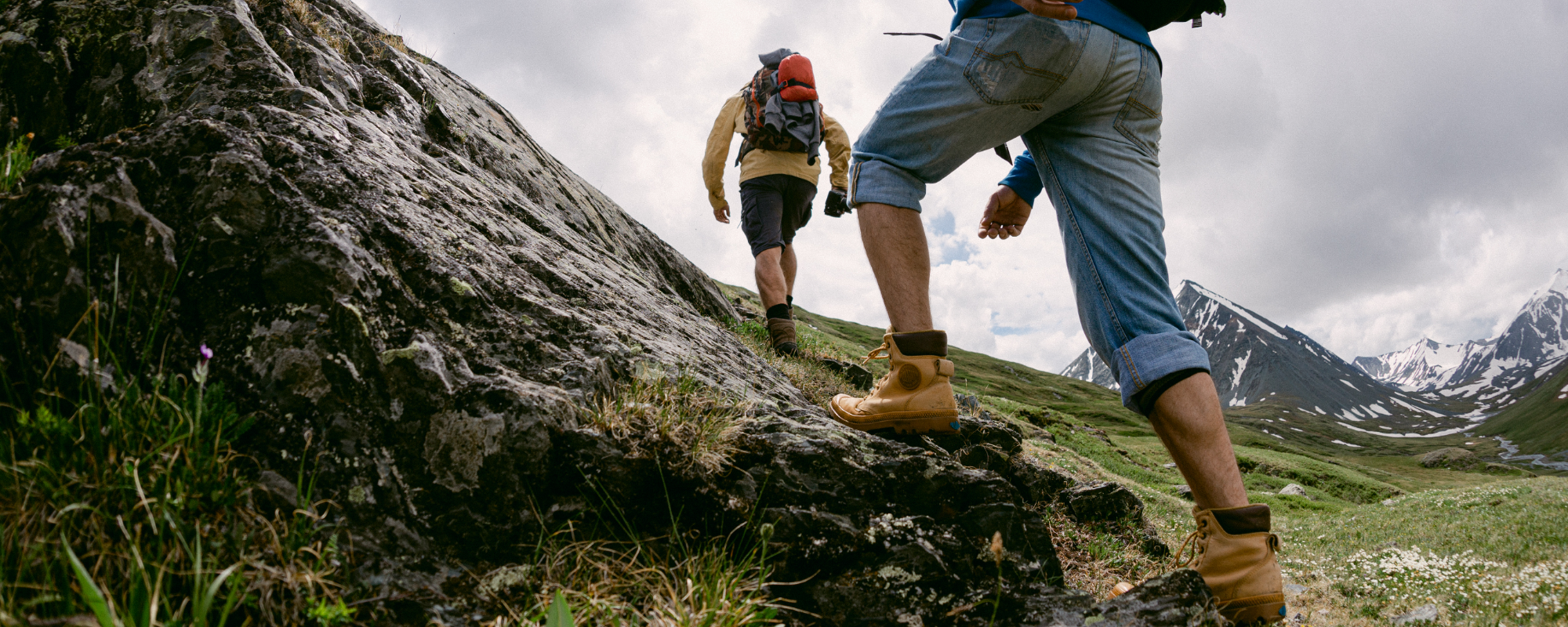
There is an aspect of mountain wellness that has no price tag and cannot be artificially replicated. It’s the rhythm.
In the mountains, days have a different structure. You eat when you’re hungry, walk when you feel like it, stop without feeling guilty. The absence of notifications, traffic, meetings and deadlines creates a mental space many people don’t experience for months, sometimes years.
It’s recovery, not laziness. And it is probably the hardest thing to achieve in any other setting.
At the Cavalletto you find this rhythm from breakfast onwards: no rush, no buffet to storm in fifteen minutes. The mountains outside the window don’t change if you come down late. The forest will wait.
Looking for a holiday that is truly good for you – body and mind? Check summer availability at Hotel Cavalletto in Moena – in the heart of Val di Fassa, at 1,184 metres, with the wellness centre included.